Leadership Core Values: How To Build Organization Resilience And Grow
Jul 26, 2024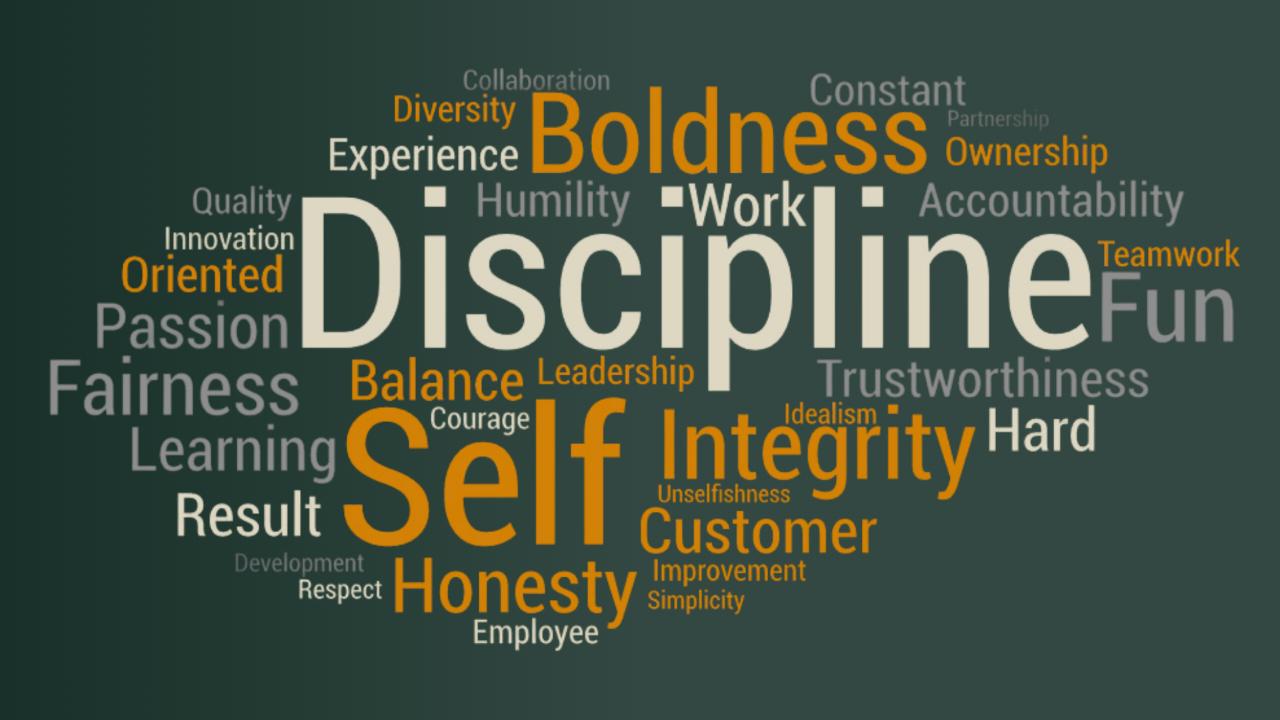
Your leadership core values are the deeply held beliefs that shape you as a leader and a person. They’re important because they guide every decision you make, shape your behavior, and influence how you lead.
With the right combination of values, you’ll become more influential, respond better to complexity, and lead with integrity instead of toxicity. Without them, your knowledge and experience have no direction, and you’re left up the proverbial creek without a paddle - and nobody wants this.
So read on to learn how to craft a paddle of pure authenticity and build core values that drive you and your organization forward.
Why Core Values in Leadership Matter
Many leaders have recited their mission statements and have a list of leadership traits they think sound strong and positive. However, when you go beyond the basics and ask what their core leadership values are, many leaders find themselves stumbling and stuttering.
Of course, everyone has a vague idea, like integrity, respect, teamwork, and that kind of jazz. And while these kinds of notions might go down well on LinkedIn, they lack definition and genuine, personal meaning. This is because, in real life, the core values of a leader aren’t just words inherited from the company’s HR handbook.
Instead, they’re the very real principles shaping how you lead when things get difficult, when pressure rises, and when the easy option isn’t necessarily the right one.
So, knowing your leadership core values is of utmost importance. Not only does it bring clarity to complicated moments, but it also helps you make decisions faster and lead better, instead of simply reacting.
What Are the Core Values of Leadership?
This question will vary depending on who you are as a person, because they’re the personal standards and beliefs that guide you. Think of them as non-negotiables. Accountability, growth, respect, purpose, and the like might pop to mind, and there are lots to choose from.
The ones that help you grow, however, are the ones that really mean something to you. It might be uncomfortable to identify them, but once you do, your core leadership values help you become more self-aware and create models that motivate your teams to follow. This brings us to the importance of your core values and the resilience of your organization.
Here’s a fantastic framework to help you figure out your core values.
The Magic 5 in 5: A Framework for Clarity
One of our favorite exercises is called the Magic 5 in 5. It’s fast, it’s practical, and it helps you define your core leadership values in no time.
Here’s how it works:
- Write down (or Google) a wide-ranging list of values. Then, pick ten that feel the most important to you.
- Narrow that list to your top five, or your magic 5.
- Here’s the important bit: take no more than five minutes to do it.
And no, we didn’t pick five minutes just for symmetry. We picked it because overthinking clouds authenticity, so thinking fast is crucial. As such, the Magic 5 in 5 helps you access your instinctive truth, which uncovers the values that really drive you, whether you know it or not.
Once you’ve got your Magic 5 down, write a short statement that finishes this sentence:
“My Magic 5 matter most to me, my leadership team, and my organization because…”
From hiring to promoting, coaching, and communicating, your answer should be your compass that you should share and live by as a leader. This can go a long way to building organizational resilience from the inside out, aligning teams through a shared clarity and purpose.
It’ll also go a long way to helping you live your most authentic life as a leader, which is beneficial for everyone.
The Link Between Core Values in Leadership and Organizational Resilience
Core values aren’t just for you at the top; they’re for your entire organization. Because when you embody your leadership core values authentically, they ripple outwards to influence culture, decisions, and the wider performance of teams.
This is particularly helpful in times of difficulty, whether that’s market shifts, economic shifts, or other crises. Here, the shared belief systems you’ve built will build organizational resilience. As long as you’ve built them properly.
This can take many forms for companies, from making more ethical decisions to aligning teams around purpose and creating a collective sense of direction and stability. Conversely, the organizations that don’t have clear core values of leadership are more likely to struggle with disengagement and inconsistency when things go pear-shaped.
Final Thoughts: Core Values Leadership Are More Than Philosophical
Instead of being an exercise in the philosophical, defining your core values in leadership helps you find your foundation as a leader. This enables you to lead with more clarity and courage, and develop a culture that stands firm in the face of uncertainty, adapts under pressure, and grows stronger through challenges.
Find Out More
If you know something needs to change in your leadership, but aren't sure what... our leadership assessments give ambitious executives and business owners the deep, psychologically-grounded insight most never get - but desperately need to scale their business. Rooted in decades of research and constantly refined, they reveal precisely where you're strong, where you're stuck, and what to tackle first. You can also check out our Stop Managing, Start Leading podcast on YouTube for a wide range of topics to guide you forward as a leader.